
Yelp gets them interested.
It doesn't get them through the door.
Yelp helps people find you, but not find out about you.
- Guests show up with questions instead of clarity
They found you on Yelp—but they’re still asking:
“Do you take reservations?”
“How long is the wait?”
“Can you handle a group like this?” - The phone still rings during your busiest hours
Yelp sends traffic—but it doesn’t reduce interruptions. Most of those questions still turn into calls right when your team is trying to manage the floor. - Your staff is left to interpret and explain everything in real time
Policies live in your head—or get explained differently depending on who’s working. So every interaction becomes a judgment call. - Guests arrive with expectations you didn’t set
They read reviews, saw photos, or made assumptions—but nothing clearly told them how things actually work. - So now your host is stuck managing “But I thought…” conversations at the door
You're paying for visibility, but the ones that don't call? That demand never becomes visible to your team.
Most of this doesn't feel like a system problem. It just feels like part of being busy.
If this sounds familiar, see how EnRoute works for restaurants →
Yelp helps people find you.
EnRoute helps them actually come in.
Yelp | EnRoute |
|---|---|
Discovery platform | Booking + waitlist system |
Guests stay inside Yelp | Guests come directly to you |
Yelp shapes expectations | You set expectations upfront |
Traffic without a clear next step | Clear path to request, join, or book |
No visibility of missed interest | Every request becomes visible |
The difference isn’t visibility—it’s what happens after someone finds you.
When to Choose Yelp
Yelp can be a good fit if:
Yelp is a great tool for being seen.
It’s just not built for what happens next.
When to Choose EnRoute
EnRoute is the better fit if:
It doesn’t replace how guests find you.
It makes sure that finding you actually leads somewhere.
If you run a restaurant, see how EnRoute works for restaurants →
How it feels in practice
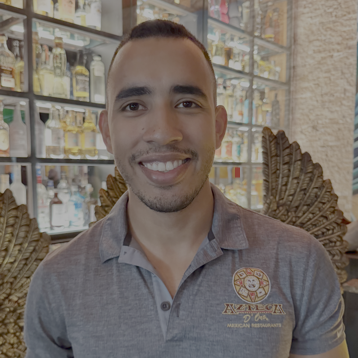
“Our customers can express interest in coming to our restaurant on their own time (24 hours a day) and the right person from the restaurant can call them back when we can give them our full attention to finalize the plans.”
Daniel Reyes
Manager | Azteca D'Oro
Common Questions About Yelp and EnRoute
Yelp can be useful for visibility, especially if your customers actively search there.
But being listed on Yelp doesn’t replace having a clear system for handling bookings, waitlists, or group requests. Many restaurants use Yelp for discovery while relying on other tools to manage what happens after a guest decides to visit.
Yelp helps people find your restaurant.
EnRoute helps them take action—by giving guests a clear way to request a table, join a waitlist, or plan a visit without calling or guessing.
Because there’s often no clear next step.
Guests may have questions about wait times, reservations, or group policies—and without a way to act online, they default to calling. These calls usually happen during your busiest hours.
By giving guests answers and actions before they arrive.
When guests can see how things work and take the next step online—whether that’s joining a waitlist or requesting a table—they’re much less likely to call during service.
Yelp isn’t something most restaurants fully replace—it’s a discovery channel.
Instead, restaurants often pair Yelp with a system like EnRoute that captures demand and manages bookings directly, so guests don’t have to rely on phone calls or guesswork.
By giving guests a clear next step.
If someone finds your restaurant but doesn’t know how to book or what to expect, they often drop off. Adding a direct path—like a waitlist or request flow—turns that interest into real visits.
Getting discovered is only half the equation.
Let's make sure finding you actually leads somewhere.
Still exploring your options?
Most restaurants don’t evaluate just one option. Here’s how EnRoute compares to other common tools:

EnRoute® helps service businesses save time, reduce friction, and delight every guest.
connect with us
Copyright 2025 Floqque LLC - Privacy Policy
quick links